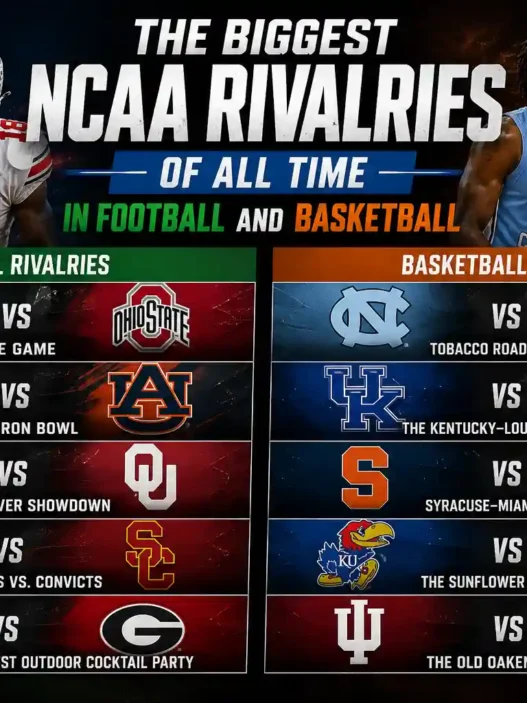










































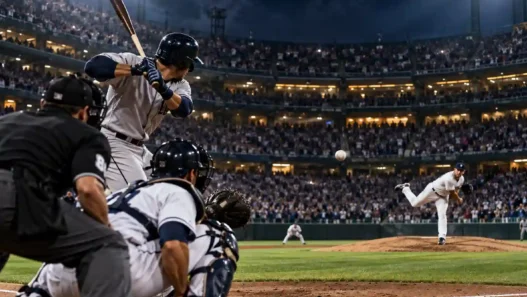




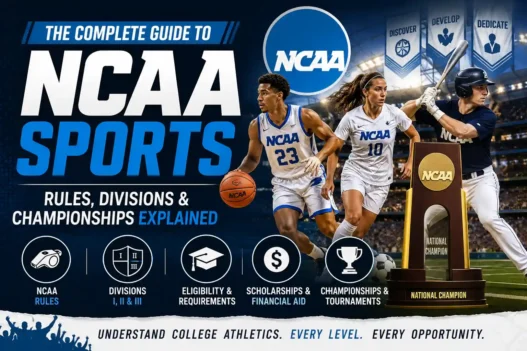
College sports are among the biggest components of the American sports landscape, spawning legendary rivalries, future professional athletes and some of the most televised sporting events in the country. Millions of fans follow student-athletes year-round from college football bowl games to the famed NCAA basketball tournament.
These competitions are just part of a complex system run by the National Collegiate Athletic Association (NCAA), which governs the rules, player participation, championships and the organisation of college athletics.
If you’re new to college sports, knowing the NCAA structure, divisions, eligibility rules, and major tournaments can help you better follow the sport and learn how teams compete at different levels.
What is the NCAA?
The NCAA is the governing body for college sports in the U.S. It sets rules for universities, coaches and student-athletes to follow. It also runs national championships in many sports.
The association has thousands of colleges and universities that compete in a wide variety of sports such as Football, Basketball, Baseball, Soccer, Volleyball, Hockey, Track and field, Swimming and other Olympic sports. The NCAA doesn’t function like a pro league. Instead, it oversees competitions among educational institutions, while emphasising a balance of athletics and academics.
Understanding the NCAA structure
The NCAA is divided into several different levels called divisions. “Each division provides a distinct college sports experience for athletes and fans. These divisions allow schools to be grouped by athletic resources, level of competition, scholarships and size of programme. The NCAA has three main divisions:
- Division 1
- Division II
- Division III
NCAA Division I explained
Division I is the highest level of competition in the NCAA and includes many of the nation’s most well-known college sports programmes. These schools usually have Big athletic budgets, Large stadiums and arenas, Heavy media coverage, High-level competition and Lots of athletic scholarships.
Division I programmes produce many athletes who go on to the professional leagues. Major Division I Sports Events: NCAA Men’s Basketball Tournament, NCAA Women’s Basketball Tournament, College Football Championships, National Championships in various sports. Division I schools tend to have large fan bases and deep-rooted traditions centred on college sports.
NCAA Division II explained
Division II offers a good balance of athletic competition and academics. The programmes are generally smaller in size than Division I, but still offer high-level competition and scholarships. Many of the best professional athletes have come from Division II programmes. Division II schools often focus on competitive sports programmes, balanced student-athlete schedules, and community involvement.
NCAA Division III explained
Academics are a big part of the heavily student-athlete experience in Division III. Division III schools, unlike Divisions I and II, do not award athletic scholarships based on athletic performance. Instead, they play because they love to compete and still have to handle their school work.
College sports eligibility explained
Eligibility is one of the biggest parts of NCAA sports. Student-athletes must meet academic and participation standards prior to competition. The NCAA has updated policies over time as college sports continue to change. Areas eligible include:
- Academic requirements
- Amateur status
- Requirements for transfer
- Seasons played
- Rules of recruitment
Academic eligibility requirements
Student-athletes must remain in good academic standing to participate in NCAA sports. “Our goal is to make sure the athletes are still students first and competing at the highest level. Requirements may include:
- Fulfil required courses
- To keep up with one’s studies
- Meet school and NCAA standards
Transfer rules and athlete movement
One of the biggest talking points in college sports has been about the transfer system. The NCAA transfer process has regulations for athletes transferring schools. Recent changes have made transfers more common, creating what is often referred to as the transfer portal era. It’s changed the way teams build rosters, and the way athletes go about their college careers.
Scholarships and financial opportunities
Scholarships vary for each division and sport. Division I and Division II programmes may offer athletic scholarships. Division III schools tend to focus on academic and other financial aid.
College athletes also benefit from Name, Image and Likeness (NIL) opportunities, which enable eligible athletes to make money through endorsements and partnerships.
NCAA Tournament & Championship Major
The NCAA holds championships in a lot of sports, but a few have become huge cultural moments.
Madness of March
The NCAA Men’s Basketball Tournament, aka March Madness, is one of the most popular sporting events in America. The tournament is known for its unpredictability, and has become synonymous with upset wins and underdog stories.
The tournament includes:
- 68 teams
- Single-elimination game
- High pressure competition
- bracket-holders in the millions
NCAA Women’s Basketball Tournament
Women’s college basketball has been gaining a lot of traction, especially as viewership and national attention increases. The tournament has become one of the biggest events in women’s sports as top programmes compete for a national championship.
College football championships
College football is one of the most followed NCAA sports, with diehard fan bases and historic rivalries. The playoff format has evolved over the years, growing to include more teams battling for the national championship.
Other NCAA championships
These tournaments give athletes from a wide range of sports the opportunity to compete at the national level. The NCAA also sponsors championships for the following sports:
- Base-ball
- Soccer
- Volleyball
- Hockey
- Lacrosse
- Wrestling
Why NCAA sports are popular
Fans hold college sports dear because the teams aren’t professional franchises; they represent universities and communities. For many fans, college sports are more than a competition; they are an identity and a tradition.
Differences between NCAA sports and pro leagues
NCAA is about student athletes representing schools . NFL and NBA are professional . But college sports are also a feeder for athletes who want to go pro. The main differences are: Educational requirements, Background in amateur competitions, School rivalries, Different eligibility systems.
The future of NCAA sports
College athletics is a fluid situation with new rules, new technology, new media deals, new opportunities for athletes and new conference realignments. The NCAA system is still one of the most powerful aspects of the American sports culture.
Major trends are:
- More earning opportunities for athletes
- Transfer rules changing
- Championship formats expanded
- Greater media coverage