









Sports betting is no longer a niche activity in the US. It has become part of mainstream sports culture, especially around tentpole events like the Super Bowl, NFL playoffs, and March Madness. But while betting ads feel everywhere, the law still changes sharply once you cross state lines.
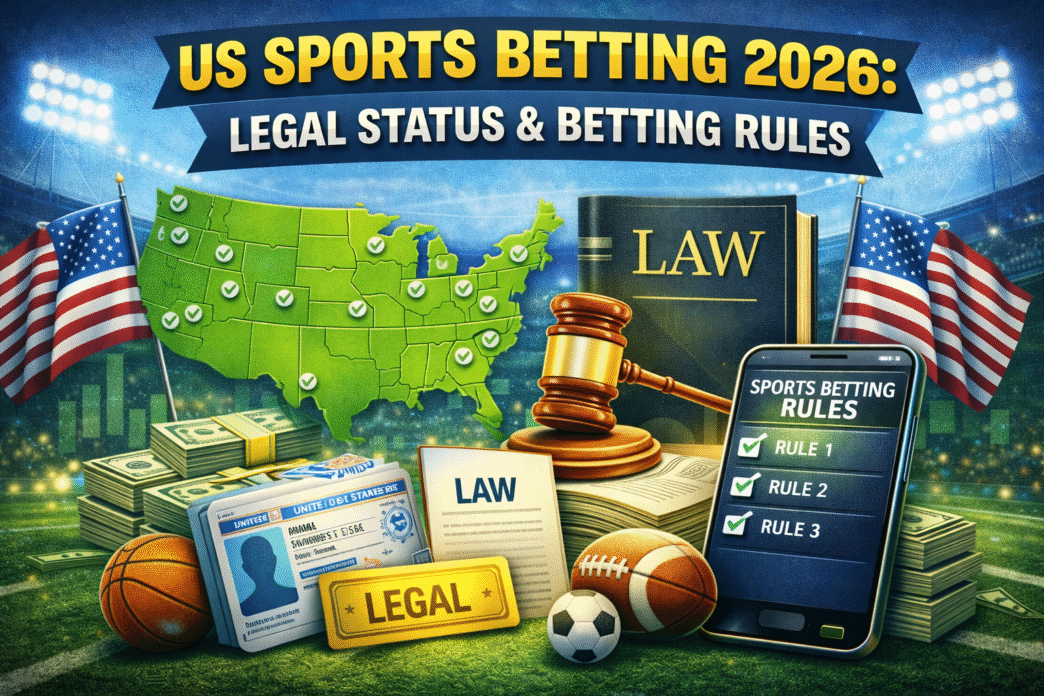
As things stand, 40 US states and Washington, D.C., allow legal sports betting in some form. However, only 32 states offer full online or mobile betting, which remains the biggest factor for serious bettors. The rest either limit wagering to casinos and tribal properties or block betting altogether. Below is a clean, better-friendly breakdown of how the US betting map actually looks in 2026.
Where online sports betting is fully open
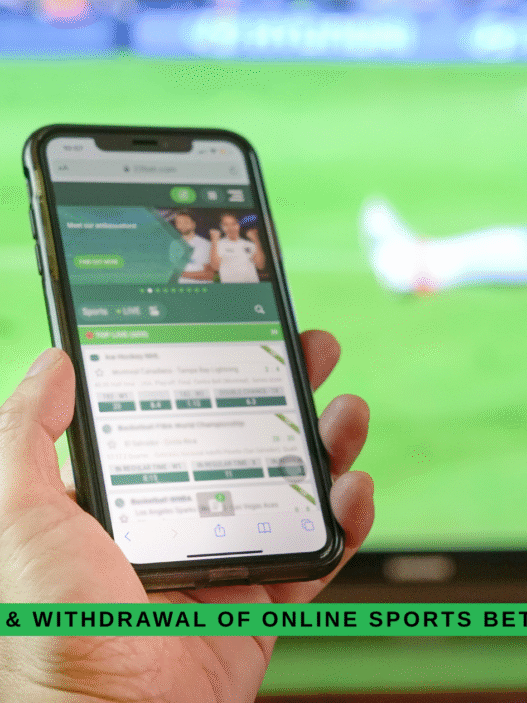
If you live in these states, you can legally bet through licensed apps without visiting a casino. These markets are the most competitive and usually offer better odds, promos, and betting depth.
Major online betting states include New York, New Jersey, Pennsylvania, Michigan, Illinois, Ohio, Colorado, Arizona, Virginia, Indiana, Iowa, Kansas, Kentucky, Tennessee, Massachusetts, Maryland, Louisiana, Arkansas, Maine, Vermont, Wyoming, West Virginia, and Missouri, which officially joined the list in late 2025.
Most of these states allow:
- Mobile and desktop betting
- Betting on professional leagues
- Wagering on most college games (with some restrictions)
However, even in open markets, college player prop bets are commonly banned, and several states block wagers on in-state college teams.
States with legal betting but tight restrictions
Some states technically allow sports betting but place limits that matter a lot to bettors.
Casino-only or tribal-only betting
In states like Mississippi, New Mexico, North Dakota, South Dakota, Washington, Montana, and Wisconsin, betting is legal only at physical casino or tribal locations. Mobile betting either does not exist or only works on-site.
For bettors, this means:
- No betting from home
- Limited sportsbook choice
- Smaller betting menus
Mobile betting with heavy conditions
States such as New Hampshire, Oregon, Nebraska, and Rhode Island allow betting but restrict college wagers, betting locations, or sportsbook competition.
These markets are legal, but far less flexible than full mobile states.
States still blocking sports betting entirely
Despite nationwide momentum, sports betting remains illegal in several states.
The most notable holdouts include California, Texas, Alabama, Georgia, Oklahoma, South Carolina, Utah, Idaho, Hawaii, and Alaska. While bills have been introduced in many of these states over the past few years, none have crossed the finish line yet.
Key reasons for delays include:
- Constitutional barriers (Texas, Utah)
- Political resistance (Alabama, Georgia)
- Failed voter ballots (California)
- Tribal and commercial disputes (Oklahoma, Minnesota)
Minnesota is a special case. Betting was approved in 2022, but disagreements between tribes and racetracks have pushed a launch into at least 2026.
College betting rules still vary widely
One of the biggest surprises for new bettors is how uneven college betting laws remain.
Across the US:
- Most states ban college player prop bets
- Several states ban betting on in-state college teams
- A few allow college betting with almost no restrictions (Kentucky stands out)
If college sports betting is a big part of your strategy, checking local rules before signing up is essential.
Why this matters for bettors in 2026
The US sports betting market is mature in size but still uneven in access. Bettors in open mobile states enjoy:
- More sportsbooks
- Better odds competition
- Wider prop and live betting markets
Meanwhile, bettors in restricted or illegal states often rely on travel, in-person wagering, or simply waiting for legislation to catch up.
With lawmakers continuing to introduce bills almost every year, the betting map is still evolving , just not evenly.