


























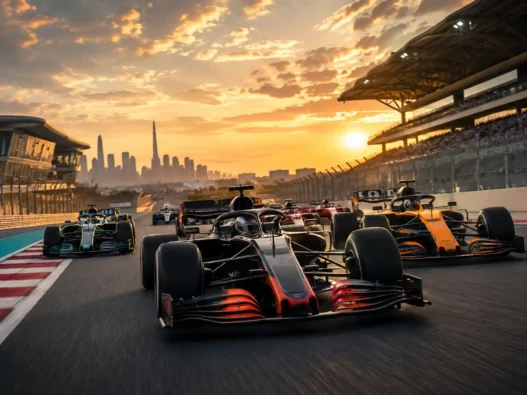
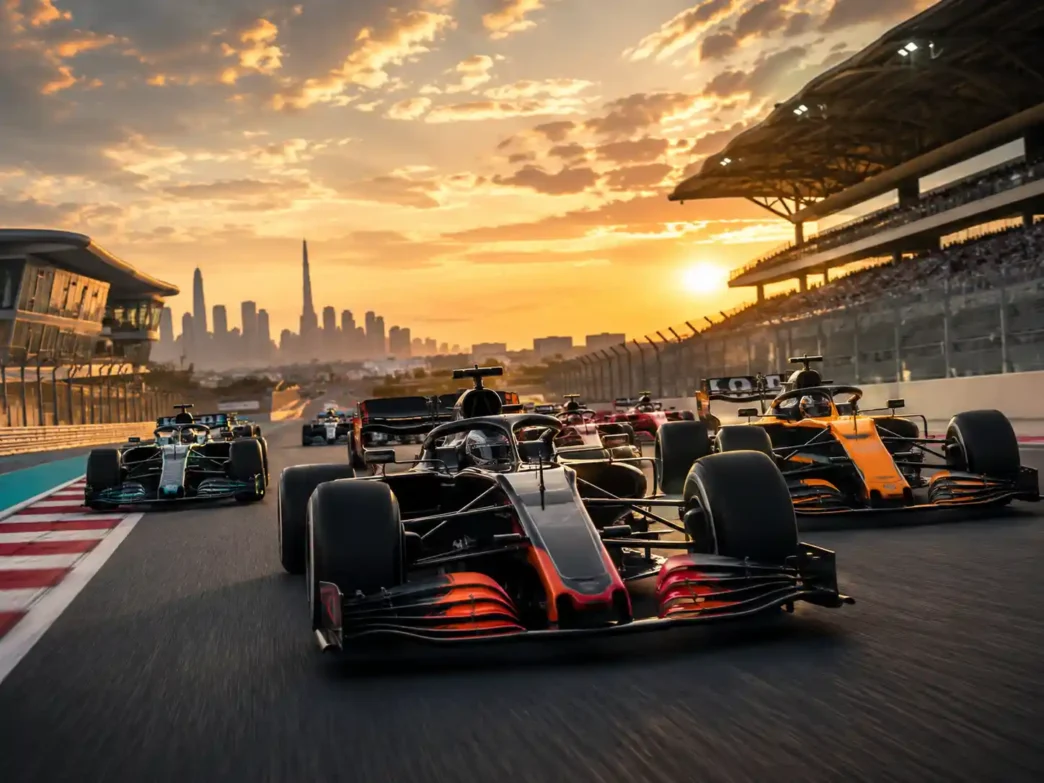
The 2026 Formula 1 season had more changes than any season in recent memory. New engines, new aerodynamics, a new eleventh team and a truly wide-open championship fight have combined to make this one of the most watched seasons in years. After nine rounds, the title race is tight, the pecking order is a different proposition to 2025 and the storylines keep multiplying.
This guide will walk you through what’s changed heading into the season, who’s driving for who, and where the championship race really is right now.
What’s New for 2026
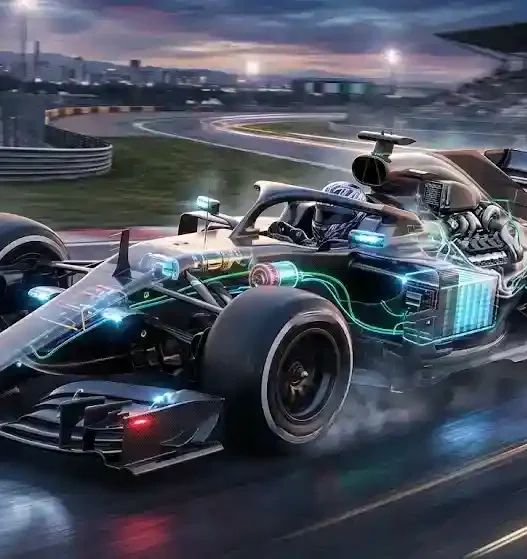
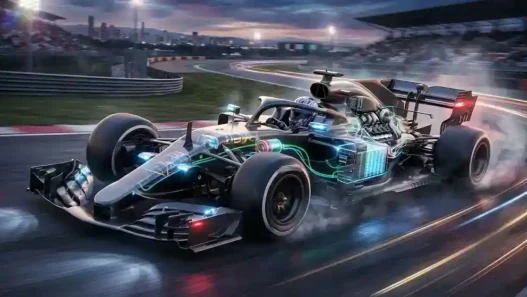
The biggest change is under the bonnet. The new power units in F1 convert around half their power from electrical energy rather than just a combustion engine, with the cars running on advanced sustainable fuel for the first time. The internal combustion side has been cut down, while the battery and energy deployment systems have become vastly more important to how a car performs on track.
The chassis was changed nearly as much. Cars are smaller, narrower and lighter, with a cut-down wheelbase and narrower tyres to slice through the turbulent air that made overtaking so difficult in recent seasons. For the first time in F1 history, all cars also feature active aero, automatically flattening their wings on the straights to cut drag and re-raising them through corners for grip.
Then there is the grid itself. Cadillac joined in as F1’s 11th team, bringing the car count to 22 for the first time since 2016. A couple of engine partnerships also moved around, with Red Bull now running its own in-house power unit alongside Ford, while Honda changed allegiance to Aston Martin.
Not everything has gone down without a hitch. Many drivers raised concerns early in the season about the closing speeds between cars under the new energy rules, and governing bodies introduced a package of mid-season tweaks to ramp up limits and energy deployment. It’s a normal part of any major regulation reset but it’s also defined how the first half of the season has unfolded.
The Teams and Drivers
McLaren enters 2026 as the reigning Constructors’ Champion, with Lando Norris coming off the back of his maiden Drivers’ Championship and Oscar Piastri hoping to go one better after leading much of last year’s title fight before fading at the end.
Mercedes have paired George Russell with second year driver Kimi Antonelli and the pairing has clicked. Both drivers were under contract until 2026 and the team was one of the bookies’ favorites to start the year.
Ferrari kept Charles Leclerc and Lewis Hamilton for a second season, Hamilton now well settled into his second year in red after his high-profile switch from Mercedes.
Red Bull Racing paired Max Verstappen with rookie Isack Hadjar, promoted from the Racing Bulls junior programme, while Racing Bulls itself runs Liam Lawson alongside debutant Arvid Lindblad, the only true rookie on the 2026 grid.
Aston Martin brought in Adrian Newey as a driving force behind the car’s design, with Fernando Alonso and Lance Stroll still in the seats hoping his influence translates into results.
Williams also kept its 2025 pairing of Carlos Sainz and Alex Albon, which a lot of folks see as a real dark horse under the new rules given the team’s strong technical direction.
Audi: After years under the Sauber banner, Audi officially entered F1 as a factory team, with Nico Hülkenberg’s experience steering the German manufacturer’s rookie season alongside Gabriel Bortoleto, who impressed in his debut year.
Alpine signed Pierre Gasly to a long-term contract, while the second seat went to Franco Colapinto after he beat reserve driver Paul Aron to the full-time seat.
Haas kept Esteban Ocon and Oliver Bearman for a second season, with Bearman increasingly seen as a candidate to eventually replace Hamilton at Ferrari further down the line.
Cadillac, the newest team in F1, chose experience over promise for its debut roster, with Sergio Pérez and Valtteri Bottas behind the wheel as both drivers returned to full-time race seats after a year away.
The Title Race So Far
After nine rounds of a 22-race calendar, Kimi Antonelli leads the Drivers’ Championship with 179 points, courtesy of five wins, five poles and seven podiums. It’s a remarkable start to what is still only his second full F1 season.
His lead, however, was considerably reduced at the British Grand Prix. Antonelli’s championship lead over team-mate George Russell was trimmed to 25 points after a late technical problem at Silverstone ruled him out of contention and allowed his rivals to score valuable points. That day, Lewis Hamilton rounded out the podium and is close behind in the standings too, keeping Ferrari firmly in the conversation.
Charles Leclerc earned his first win of the season at Silverstone, a result that put Ferrari back in form after a winless 2025 and brought the team within striking distance of Mercedes in the Constructors’ Championship. Mercedes still holds the upper hand in that battle, sitting 78 points clear of Ferrari with seven race wins to its name so far.
There are still thirteen races to go and 341 points to be scored in the Drivers’ Championship so this title fight is far from over. Mercedes teammates Antonelli and Russell are set to be in a three-way battle with Hamilton and Ferrari lurking close behind, shaping up as one of the more interesting championship races in recent seasons.
What to Watch the Rest of the Season
The next few races, starting with the Belgian Grand Prix at Spa-Francorchamps, will give us a good idea of how this title fight will play out. Mercedes has the constructors’ advantage locked in for now, but Ferrari’s momentum after Silverstone and Antonelli’s sudden vulnerability have turned a race that looked settled just weeks ago into a genuine contest.
Watch how teams continue to adapt to the new power unit and aerodynamic regulations as we move through the season. Regulation resets tend to produce shifting form over the course of a season as teams find performance in areas they hadn’t fully understood in pre-season testing, and 2026 has already shown signs of that pattern playing out race by race.