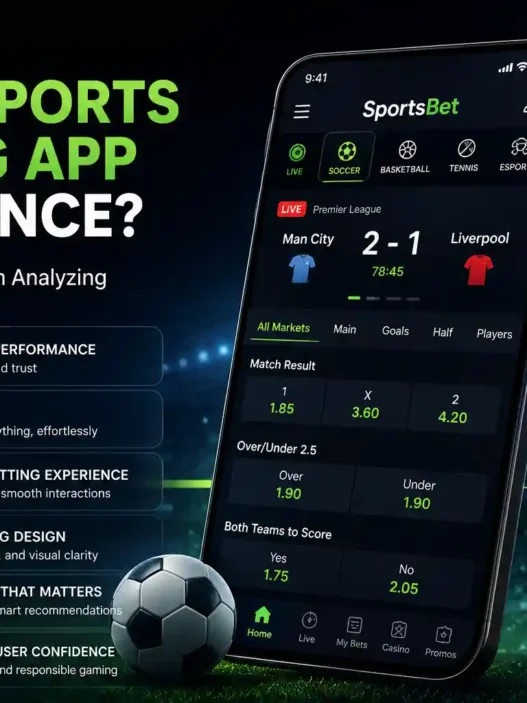























































Promotions for sports betting have become one of the key battlegrounds in online sports betting. Every year operators spend millions of dollars trying to attract new customers, with welcome offers, bonus bets, profit boosts, and free wages.
For bettors, these promotions can be more than just marketing incentives. When used wisely, sportsbook bonus bets can give you more chances to create value without risking as much of your own personal capital. But not all bonus offers are created equal, and many bettors don’t maximize their potential benefits.
What are bonus bets?
Bonus bets are promotional credits offered by sportsbooks that may be used to place wagers on eligible sporting events. However, bonus bets are not generally cashed out directly like cash deposits. They must be used on qualifying bets, and winnings are often withdrawable once the bet is settled.
However, these promotions come with a range of terms and conditions attached to them, so it’s essential to know the details before placing any wager. Sportsbooks can offer bonus bets as part of a:Welcome offer, Customer retention drive, Loyalty scheme, Event-specific drive, Referral scheme. However, there are a number of terms and conditions attached to these promotions so it’s important to know the details before you place any wager.
Can you actually win money with bonus bets?
The short answer is that bonus bets can provide additional betting opportunities and potentially increase overall returns. But there is an important difference. Bonus bets are not a sure shot. Sports betting is always a gamble and outcomes are not known. Bonus bets can enhance a bettor’s expected value by enabling them to place bets using promotional credits rather than their own money.
Seasoned bettors also tend to look for value from betting bonuses, rather than just chasing big promotions. The goal is not to win every bet, but to leverage promotions so that you get the best possible return on the promotional credit you are given.
Understanding free bet conversion
Free bet conversion is one of the most important concepts in any bonus bet strategy. Free bet conversion is the part of the face value of the bonus bet that can be reasonably converted into winable winnings.
For example:
- A $100 bonus wager doesn’t instantly convert into $100 cash.
- The actual amount depends on how you use the bet, and if it wins.
Most sportsbooks do not return the bonus stake with the winnings so punters will often seek wagering opportunities that maximise potential conversion value. By understanding this concept, bettors can more accurately compare the promotions and avoid the risk of overestimating the value of sportsbook offers.
Why bonus bets are important when betting odds.
The selected odds can have a big impact on bonus bet profits and overall promotional value. Many bettors prefer to use bonus bets on longer odds selections as the promotional stake is not returned.
For example:
- Higher odds can payout more from the bonus credit when you win a bet.
- But the chances of winning extremely long odds might be smaller.
A good bonus bet strategy is to find the right balance between risk and reward. Experienced bettors are not just thinking about potential payouts. They look at the probability and the expectation value.
Common mistakes bettors make with bonus bets
Many promotional opportunities are missed because bettors don’t understand how bonus bets work.
Ignoring the terms: Every sports betting promotion has terms. Failing to read the fine print can result in disappointment or lost benefits.
Using bonus bets impulsively: Some bettors rush to place wagers simply because promotional credits are available. Strategic selection often produces better long-term outcomes.
Chasing headline offers: The biggest advertised bonus is not always the best promotion. The real value is in the usability and flexibility.
Bonus bets expiration: Some bonus bets have strict expiration deadlines. Any unused credits usually expire after the promotional period ends.
What sharp bettors think about bonus bet value
Professional and value-oriented bettors see promotions in a different way than casual users. Instead of asking, “How large is the bonus?” They ask, “What value can I extract from this promotion, in a realistic sense?”
This method considers: Odds selection, Conversion potential, Market flexibility, Promotional restrictions, Long-term usability. The emphasis remains on maximizing expected value, not just maximizing promotional amounts.
How to use bonus bets for money management
Promotional credits can also be included in broader bankroll management approaches. Sportsbooks offer bonus bets as a value proposition that can create opportunities to play in markets without exposure to your own personal financial risk.
That doesn’t eliminate risk but it may allow bettors to explore other wagering opportunities while keeping deposited funds safe. Proper bankroll management is key regardless of promotional offerings.
Why sportsbooks continue offering bonus bets
Bonus bets still are one of the most powerful tools to acquire customers in the sports betting industry. Promotions used by sportsbooks: Attract new customers Encourage repeat activity Increase engagement Differentiate themselves from competitors
Operators will continue to compete, and bettors can expect to see more and more creative promotional structures and loyalty rewards. For players this means more options to compare deals and find offers that suit their wagering preferences.
Best sportsbook bonus bets
It is about a thoughtful approach to sportsbook promotions. The successful bettor will tend to focus on understanding free bet conversion, working out the value of the betting bonus and using bonus credits in a tactical way rather than an emotional one.
Bonus bets aren’t a means of guaranteeing profits, but they can contribute to the overall value of a betting experience, provided they are used responsibly and with a clear understanding of the underlying terms. In the end, the best bonus bet strategy is one that combines careful promotion evaluation, disciplined wagering, and realistic expectations.