



















































A powerplay in cricket can change the result of a match in a couple of overs. Batters frequently make daring attempts to hit the ball and leaders move the positions of their fielders to stop runs being scored. The powerplays strike a compromise between the freedom of the batsmen and the pressure on the bowler. They also impact team plans in One Day Internationals and Twenty20 cricket. This book covers the penalties, fielding limits and powerplay overs adjustments to the format.
What Is a Powerplay in Cricket?
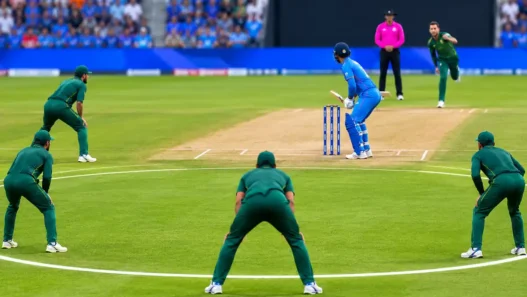
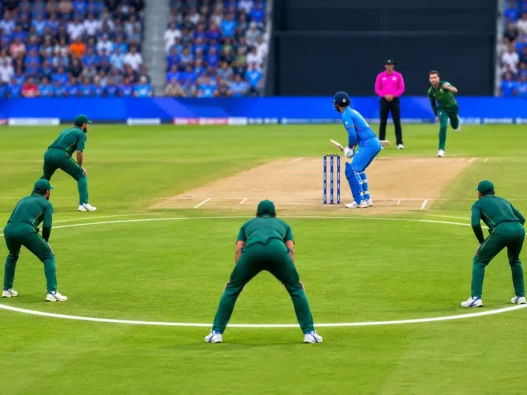
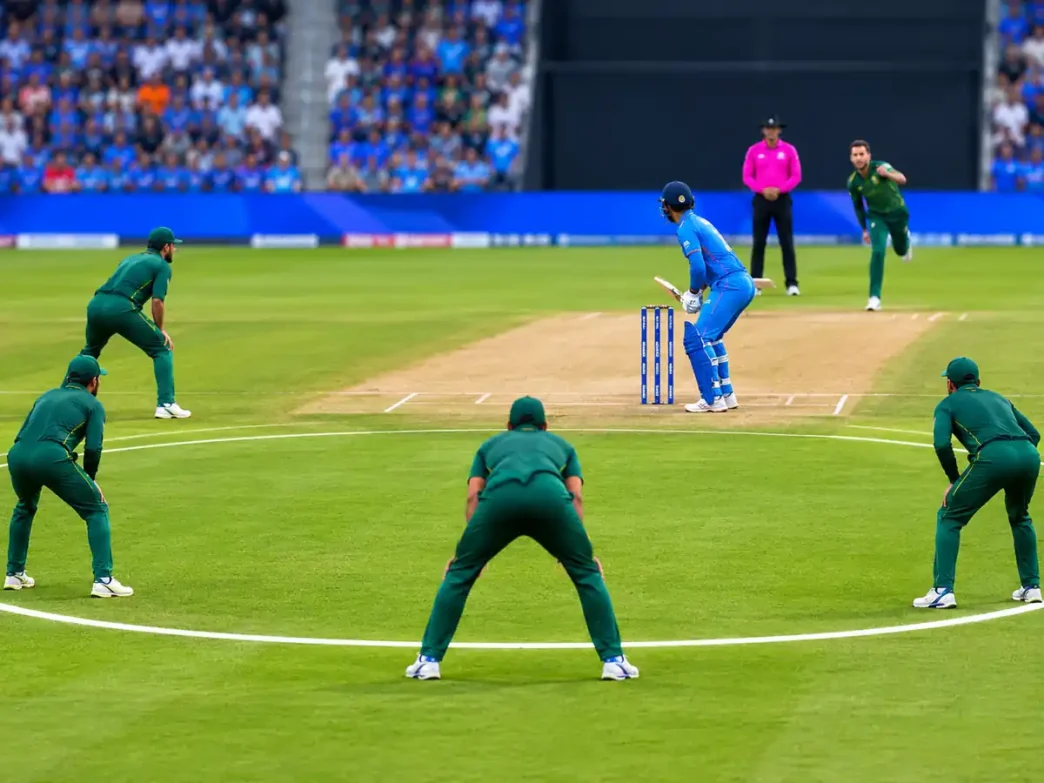
A powerplay is a period when the fielding side is restricted in their fielder placements under the rules of cricket. These rules restrict the number of fielders allowed outside the 30-yard circle. The regulations encourage offensive batting at certain times of limited overs contests. They also stop bowlers from setting deep fielders on every boundary. Powerplays are significant in both ODI and T20 cricket. The timing of these constraints, however, differs between formats.
How Many Powerplay Overs Are There in ODI Cricket?
Standard form has three powerplay stages in a 50-over ODI innings. The number of fielders permitted outside the 30 yard circle varies at each stage. The three phases split the innings into the early, middle and final portions.
Powerplay 1: Overs 1 to 10
The first powerplay is the first 10 overs in a full ODI innings . For fielding sides just two fielders are allowed outside the 30 yard circle That restriction offers the opening hitters chances to hit through the gaps. Captains will often choose for aggressive fields to give them chances of getting wickets early on.
Powerplay 2: Overs 11 to 40
Second powerplay for the next 30 overs. Teams may have up to four fielders outside the circle. This phase normally has a mixture of scoring runs and saving wickets. Batters want to rotate the strike and look for boundary options when they can. Also bowlers can have more freedom with defensive field placements. But they still need to guard scoring locations without leaving easy openings.
Powerplay 3: Overs 41 to 50
The last 10 overs will be the last powerplay. Fielding sides are allowed a maximum of five fielders outside the circle. This period gives opportunities of aggressive batting in death overs. Batters usually look to score off boundaries and want to maximize their final innings total. Bowlers generally use yorkers, slow deliveries and various variations. Captains also arrange fielders depending to the scoring strengths of individual batsmen.
ODI Powerplay Rules at a Glance
| Powerplay phase | Overs | Maximum fielders outside the circle |
| Powerplay 1 | 1–10 | 2 |
| Powerplay 2 | 11–40 | 4 |
| Powerplay 3 | 41–50 | 5 |
How Many Powerplay Overs Are There in T20 Cricket?
A T20 innings has six powerplay overs. Only two fielders can be outside the 30-yard circle during this period. This restriction promotes an aggressive environment in the opening overs. After the powerplay, teams are allowed to have five fielders outside the circle. This continues from over seven to twenty.
T20 Powerplay Rules at a Glance
| Phase | Overs | Maximum fielders outside the circle |
| Powerplay | 1–6 | 2 |
| Non-powerplay | 7–20 | 5 |
Captains generally use their fastest bowlers to attack in the first few overs. Some teams also introduce spinners early to trouble the aggressive batsmen. Depends on the pitch and batting conditions. Teams often take into account specific matchups in deciding on their opening bowlers.
ODI vs T20 Cricket: What Is the Difference Between Powerplays?
In ODI and T20 cricket identical fielding limits are used but on different schedules. The powerplays are a reflection of the varying lengths and strategies of each format.
| Rule | ODI cricket | T20 cricket |
| Total innings overs | 50 | 20 |
| Powerplay duration | 10 overs in the first phase | 6 overs |
| Opening fielding restriction | Maximum 2 outside | Maximum 2 outside |
| Middle overs restriction | Maximum 4 outside | Maximum 5 outside |
| Final overs restriction | Maximum 5 outside | Maximum 5 outside |
| Number of phases | 3 | 2 |
In ODI cricket, teams have extra time to build their innings. Three powerplay overs in the innings which throw varied strategic challenges during the 50 overs. T20 cricket has less overs and more pressure to score. The six-over powerplay pushes the batsmen to attack early.
What Is the 30-Yard Circle in Cricket?
The 30 yard circle is the area utilized for fielding limitations . . It has 2 semicircles at either end around the middle stumps. The two semicircles are joined by parallel straight lines. They have a radius of 30 yards ( around 27.43 meters ) . The umpires will utilize this specified area to observe field positions. They watch the number of fielders outside the circle while the bowler bowls.
What Other Fielding Restrictions Apply During Powerplays?
Powerplays do not lift all fielding restrictions. Teams have to observe the general rules related to leg-side fielders and player positioning as well. No more than five fielders may be placed on the leg side by the fielding side. It also cannot place more than two fielders behind the popping crease of the batter on that side.
The wicketkeeper does not count as one of the two fielders. These rules are in addition to the powerplay limitations. Captains must take all these constraints into account while setting their fields. A placement that obeys the circular rule may nonetheless break another rule.
What Happens If a Team Breaks Powerplay Fielding Rules?
The umpire may penalize the fielding side for contravening fielding limits. A breach at the time of delivery is a no-ball. For example, in the first 10 overs of an ODI only two fielders can be outside the circle. If three fielders are standing outside the umpire can call no-ball.
The no-ball earns one penalty run to the batting team. The delivery is also counted as an extra ball in the over. In limited overs cricket a no-ball earns a free hit. The batsman is allowed to face the following ball without the customary risk of being out. But some send-offs are still feasible on a free hit. These include run outs, impeding the field and handling the ball dismissals.
What Is a Free Hit in Cricket?
A free hit gives the batsman extra protection from getting out. The bowler cannot usually get the batter out in the regular way. The batsman can still score runs using lawful shots. The fielding team must also adhere to the applicable fielding restrictions.
How Do Rain and Reduced Overs Affect Powerplays?
Rain interruptions can cut an ODI or T20 innings short. The officials then change the length of the powerplay to match the adjusted length of innings. The ICC Playing Conditions provide tables for truncated matches. These tables set the number of overs for which fielding limits apply.
For example, a reduced T20 innings isn’t always afforded six powerplay overs. Under the present conditions for men’s T20Is, a 10-over innings has three powerplay overs. And, in the event of rain-reduced ODI powerplay periods, innings are cut. The updated allotment relies on the total overs that are available.
How Do Powerplays Affect Cricket Betting?
Powerplays provide useful statistical indicators for cricket bettors. Sportsbooks often provide markets related to scoring and wickets in these overs. Popular powerplay betting markets include;
- Powerplay runs: Predict the total runs scored during the powerplay.
- Powerplay wickets: Predict how many wickets will fall during the opening overs.
- Team powerplay total: Bet on a team’s score during the restricted phase.
- Highest powerplay score: Predict which team scores more during its powerplay.
- Total match runs: Evaluate how early scoring influences the final innings total.
These markets need more than a glance at recent scores. Betting tips: Check pitch conditions, opening batsmen and bowling match-ups A flat pitch may favor aggressive batting in the powerplay. Fast bowlers can get extra opportunities in swing friendly circumstances.
Dew, weather and ground dimensions also affect score patterns. No powerplay plan can guaranty a certain result. Please review the sportsbook’s market regulations and settlement conditions before placing any bets. Availability of cricket betting also depends on the location and the operator.