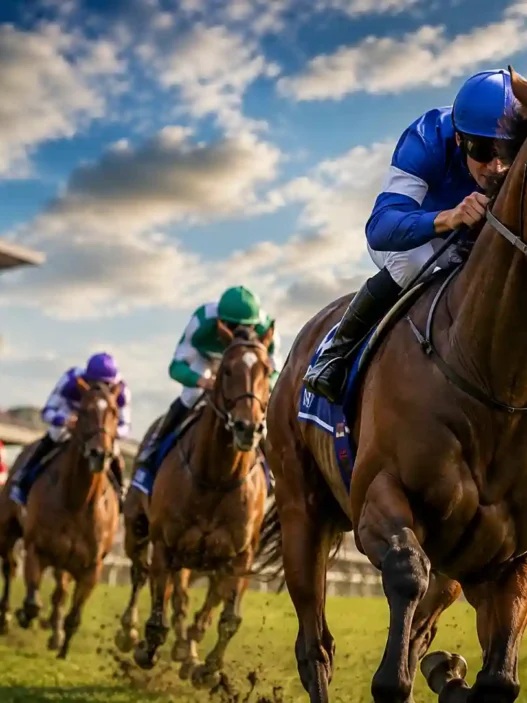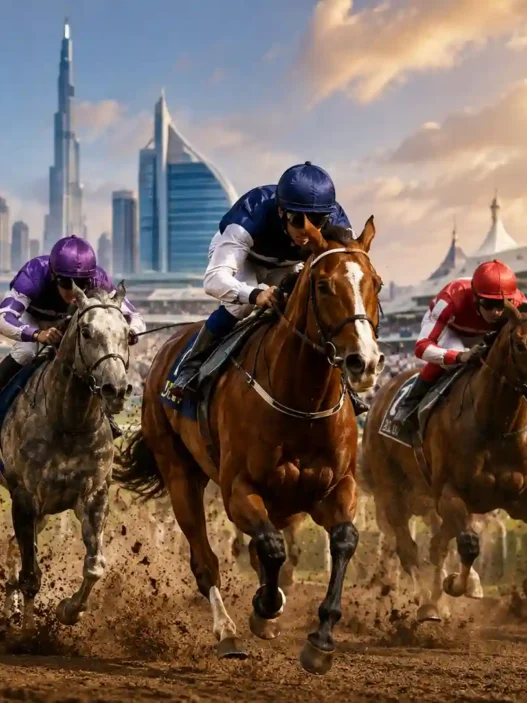




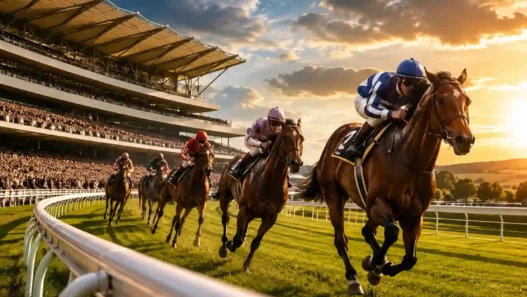

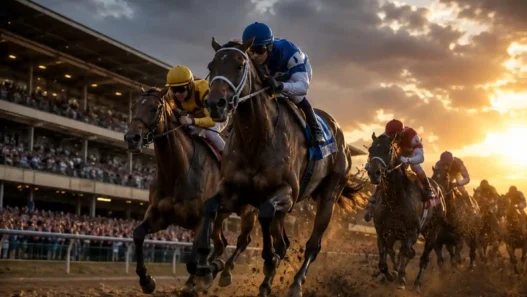




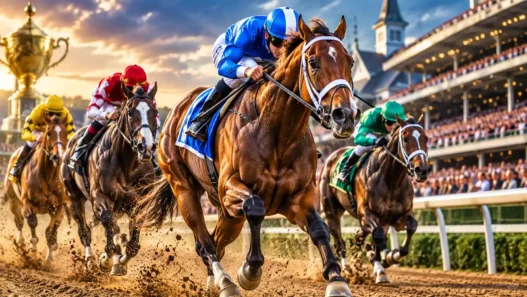
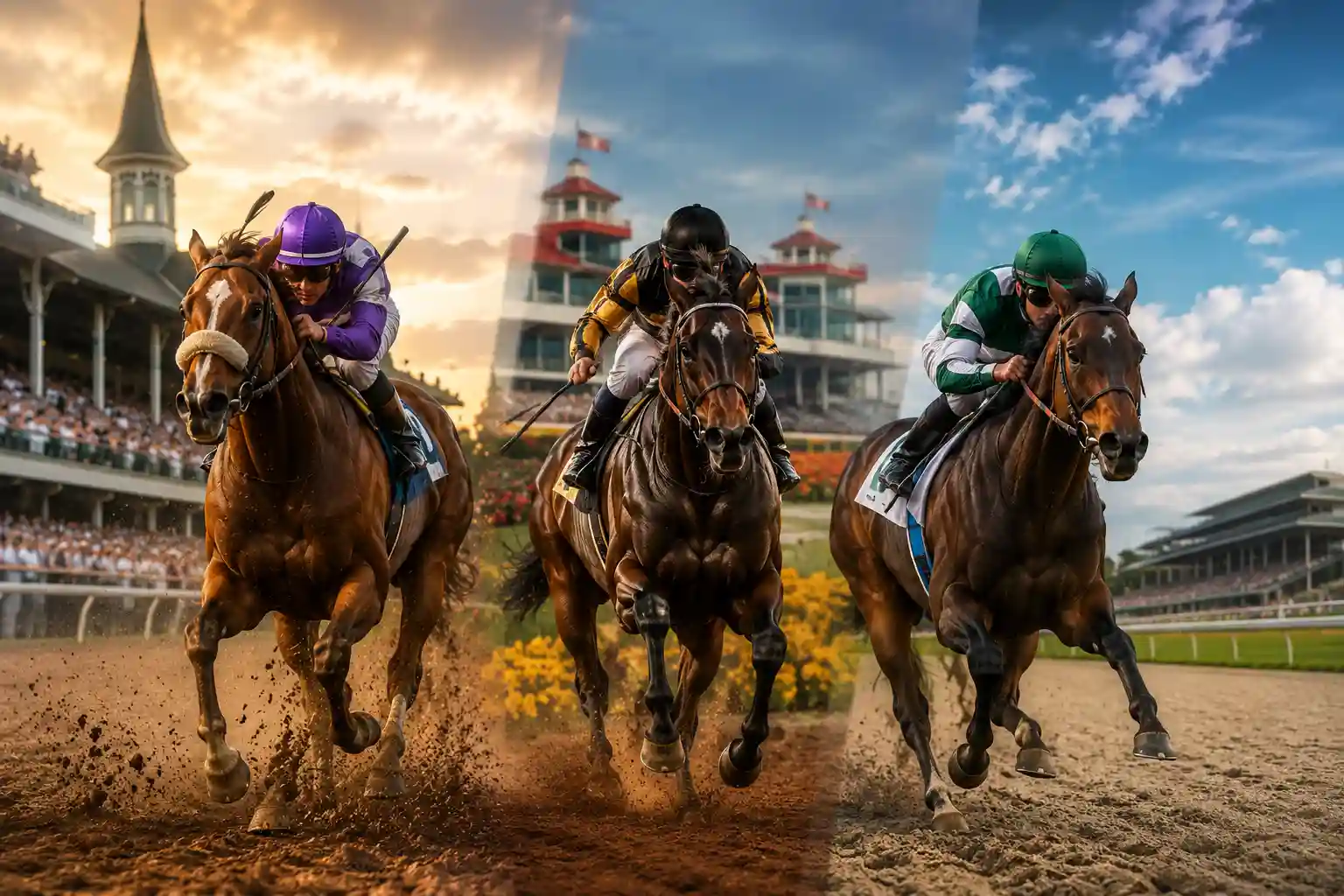

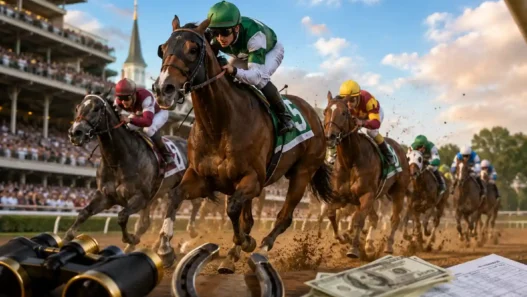



































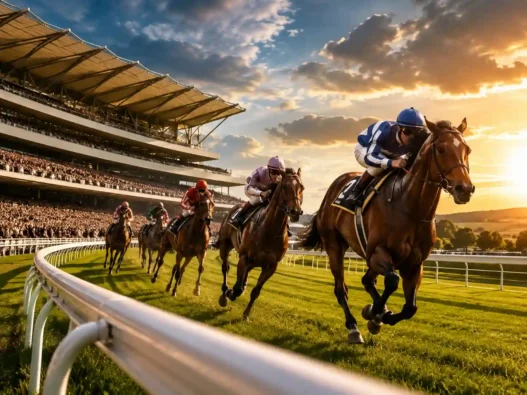
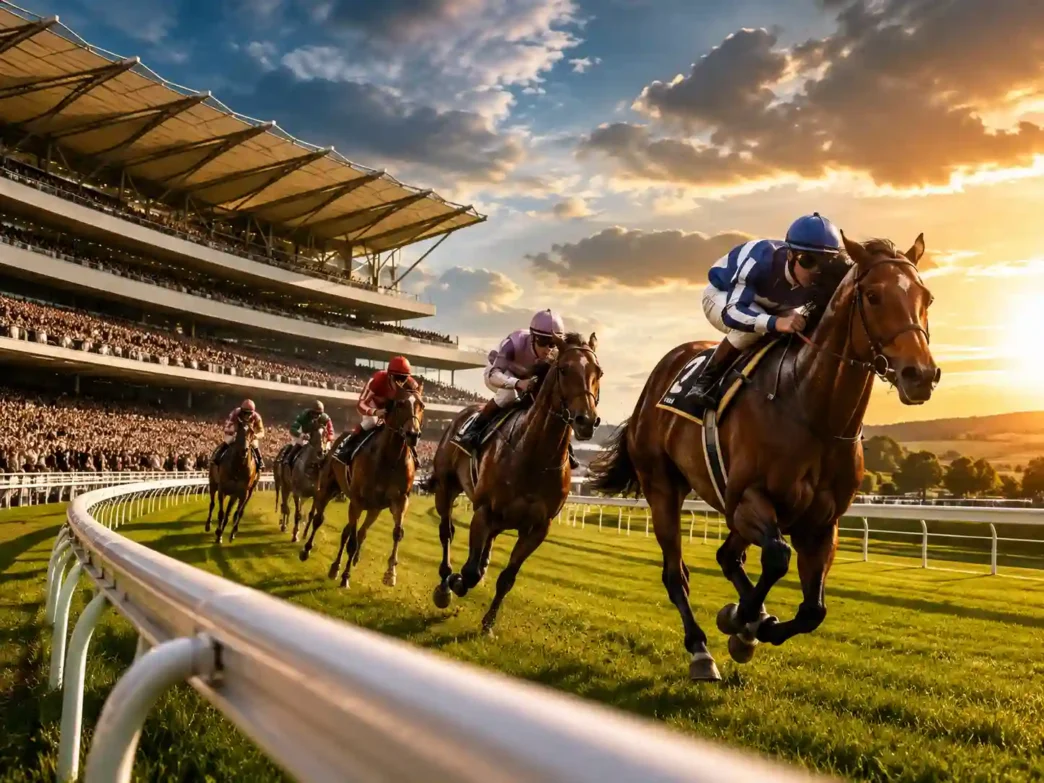
Some racetracks are just places where horses go. Some turn into cultural landmarks themselves, places where the history and tradition of one race day are such that the venue itself becomes part of the story. Across the world, a handful of tracks have reached that level, hosting races so significant they’ve become synonymous with the sport.
This guide visits the racetracks that every serious racing fan should know, from the spiritual home of the Kentucky Derby in America to the most prestigious turf showcase in Europe and beyond.
Churchill Downs
But no American racetrack holds more sway than Louisville’s Churchill Downs, home of the Kentucky Derby since the track opened its gates in 1875. The twin spires of the Derby, an architectural feature since 1895, remain one of the most recognizable symbols in all of sports, instantly recognizable even to those who have never watched a race.
There’s a lot more to Churchill Downs than a single race day in May. The track is the center of an entire tradition that surrounds Derby week, from the singing of “My Old Kentucky Home” to the ceremonial blanket of roses to a betting culture that elevates the first Saturday in May to something closer to a national holiday for horse racing fans. This year, that history changed again when Golden Tempo’s 25-1 upset victory made trainer Cherie DeVaux the first woman to win the race.
Pimlico Race Course
The Preakness Stakes is one of the oldest operating racetracks in the nation and has been run at Pimlico Race Course in Baltimore since 1873. The Old Clubhouse weathervane on the track is painted the colors of the Preakness winner and has become one of the sport’s more charming visual traditions, a physical record of the race’s history right at the racetrack.
Pimlico’s identity is tied to being the middle jewel of the Triple Crown, run two weeks after the Kentucky Derby each spring. That rapid turnaround has been a more prominent story line in recent years as more Derby winners have decided to skip the Preakness altogether to preserve their long-term form, a choice that played out again this year when Golden Tempo’s connections chose to bypass the race for a less taxing run at the Belmont Stakes.
Belmont Park and Saratoga
The Belmont Stakes, the longest and most physically demanding of the Triple Crown races at a mile and a half, has been held at Belmont Park, which straddles the line between Queens and Long Island, in the past. The track is in the middle of a $550 million rebuild that has forced the Belmont Stakes to move temporarily to Saratoga Race Course in upstate New York for the third straight year in 2026, with the race scheduled to return to a renovated Belmont Park in 2027.
Saratoga carries enormous historical weight on its own, outside of hosting the Belmont Stakes. Founded in 1863, it is the oldest continuously operating sporting venue of any kind in the United States, and its summer meet has long been considered one of the most important stretches on the American racing calendar. The meet is anchored by the historic Travers Stakes, nicknamed the “Midsummer Derby,” which has been run there since 1864.
Ascot
Ascot Racecourse in England has hosted racing since 1711, and its Royal Ascot meeting in June remains one of the sport’s most tradition-laden weeks anywhere. Its formal dress code is strict, its daily royal procession opens each afternoon’s card and its Group 1 races attract elite horses from across Europe, the Middle East and, increasingly, the United States.
What distinguishes Royal Ascot from most major race meetings is the extent to which the culture and pageantry of the surroundings are incorporated into the event itself, perhaps more than at any other track in the world. Royal Ascot is as much a social and fashion event as it is a betting event, a distinction that reflects the meeting’s deep roots in British aristocratic tradition, stretching back more than three centuries.
Longchamp
Held at Longchamp Racecourse in Paris every October, the Prix de l’Arc de Triomphe is arguably Europe’s most prestigious all-aged turf race and one of the biggest races in the world alongside the Kentucky Derby, the Melbourne Cup and the Dubai World Cup. First run in 1920, the Arc has been won twice by eight different champions including the legendary filly Treve and 2009 winner Sea The Stars, and its list of winners reads like a who’s who of the best Thoroughbreds Europe has ever produced.
The track setting itself only adds to the mystique, with the Arc de Triomphe monument itself visible in the distance from the racecourse grounds. Longchamp is undergoing a major renovation project that was completed in 2018 and the race was temporarily moved to nearby Chantilly Racecourse in 2016 and 2017 during that construction, a reminder that even the sport’s most historic venues sometimes need to be modernized to remain in the running to host world-class racing.
Flemington
Since 1861 the Melbourne Cup has been held at Flemington Racecourse in Melbourne and is so much a part of Australian culture that it is known as “the race that stops a nation.” The Cup is run every November and it remains a public holiday in the state of Victoria, with businesses across much of the country stopping for the race no matter whether their employees have any personal interest in horse racing.
The Melbourne Cup carnival at Flemington is so much more than just the race. It’s a major fashion and social event in its own right, similar to Royal Ascot, with elaborate hats and formal dress codes that have become as synonymous with the meeting as the racing itself. Its international field, with horses from Europe, Japan and beyond, has also made it one of the more truly global spectacles on the racing calendar in recent decades.
Meydan and Gulfstream Parks
Not all legendary tracks are centuries old. Then there is the more modern era of horse racing, represented by Meydan Racecourse in Dubai, which has hosted the Dubai World Cup since the track opened in 2010, bringing in elite international fields for one of the richest nights in the sport with a total purse of $12 million. The 2024 edition provided a true upset when Magnitude defeated the heavily favored Forever Young in front of a crowd that reflects the growing global reach of racing beyond its traditional American and European strongholds.
Gulfstream Park in Florida has a similar story on a smaller scale, having turned the Pegasus World Cup into one of the richest annual events in the sport since introducing the race in 2017. The 10th running this year, won by 15-1 long shot Skippylongstocking, showed how a relative youngster at a modern facility can still create the kind of dramatic storylines associated with racing’s oldest and most storied venues.
Why These Tracks Matter Beyond a Single Race Day
What links all of these venues is the way their identity has become so closely linked to one signature event. Part of horse racing’s cultural weight on its biggest days, compared to events that just rotate between interchangeable stadiums or arenas, is the fusion of venue and race. Churchill Downs is as inseparable from the Kentucky Derby as Longchamp is from the Arc.
As fans and bettors around the world follow the sport, knowing something about the particular flavor of each track, from the regal formality of Ascot to the carnival flavor of Flemington to the deep-rooted Americana of Churchill Downs, gives real context to the way these races are experienced by the crowds that attend them, and often speaks to something about the sort of racing the surface and layout of each venue tends to reward.