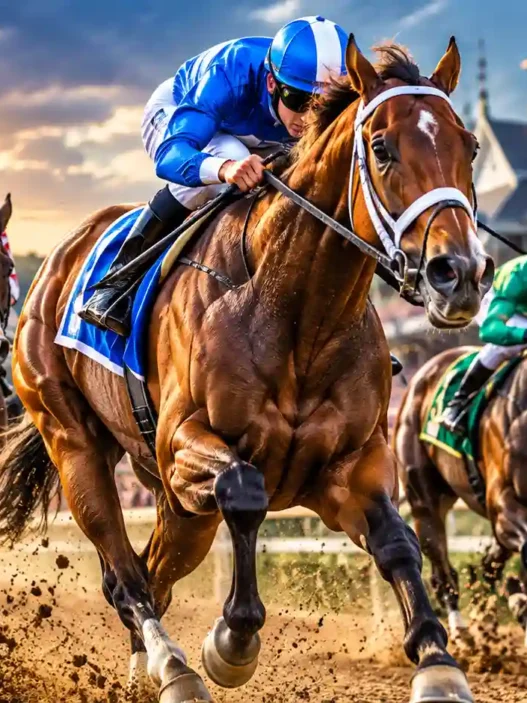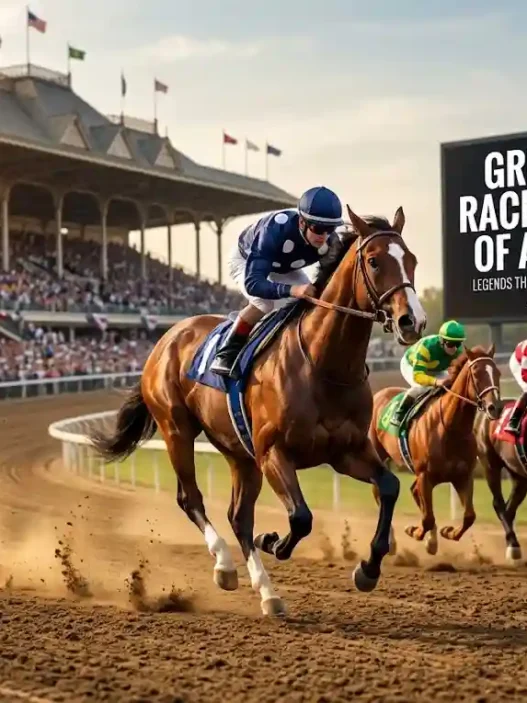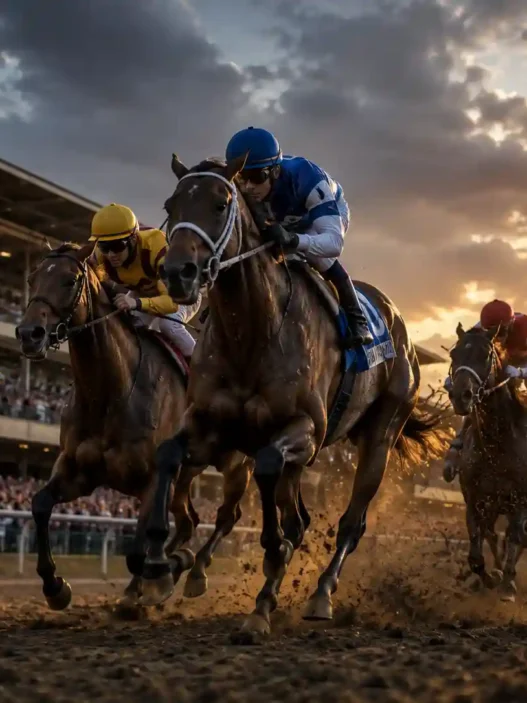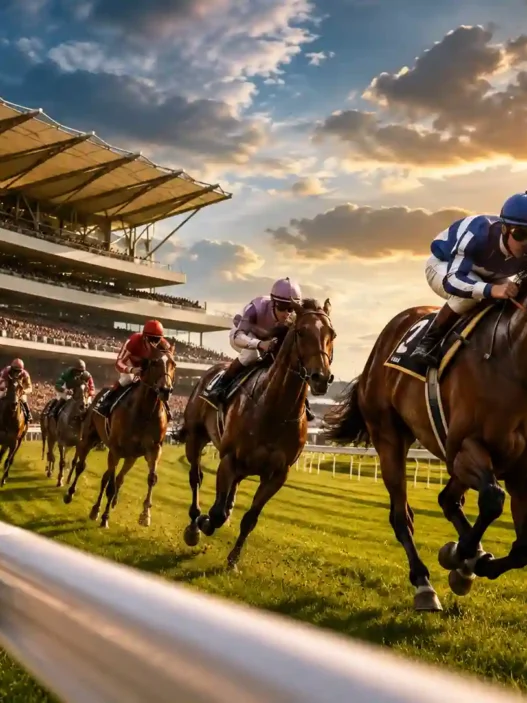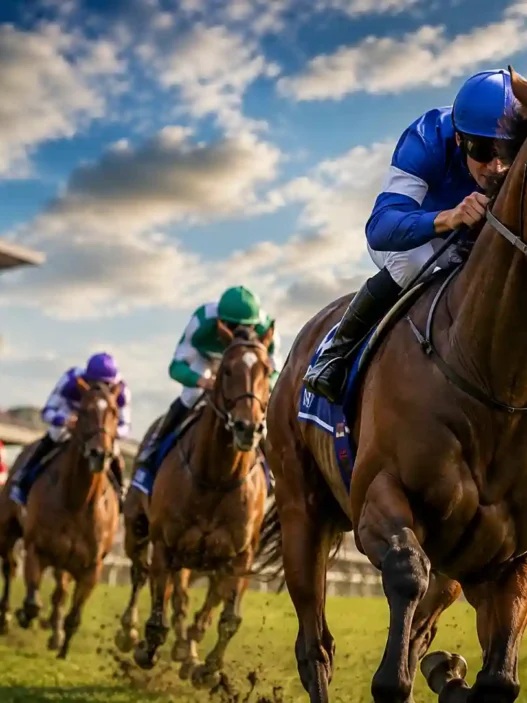








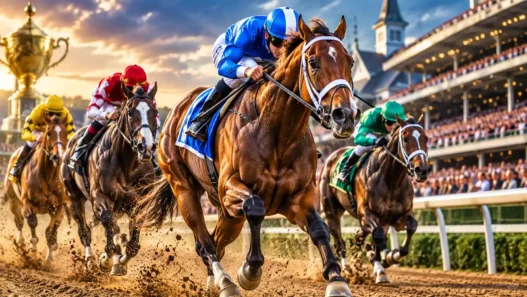
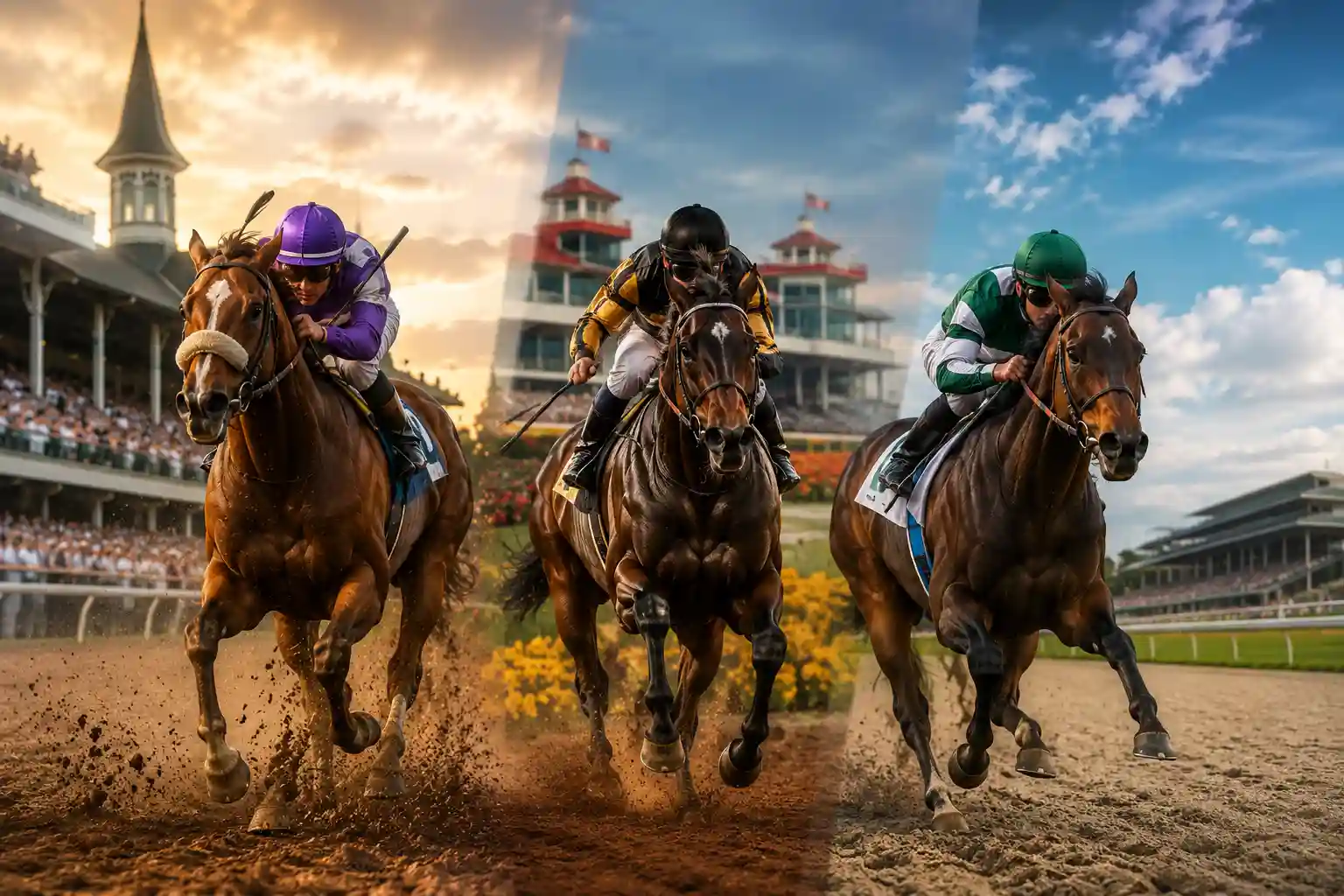





























Three races, five weeks, and a challenge so tough that only thirteen horses in the last hundred years have ever done it. To win the Triple Crown of Thoroughbred Racing, the ultimate test in American horse racing, a three-year-old horse must win three races in a single season—the Kentucky Derby, the Preakness Stakes, and the Belmont Stakes. The distances, tracks, and demands of these races are all different.
Even without a sweep on the line, this year’s series provided the kind of drama that makes the Triple Crown must-see TV. Here’s the full breakdown of each leg, what makes the series so tough and how 2026 went down.
The Kentucky Derby: “The Most Exciting Two Minutes in Sports”
The Kentucky Derby, run each May at Churchill Downs in Louisville, is the oldest of the three races and the one most casual fans instantly recognize. The Derby is called “The Most Exciting Two Minutes in Sports” because it packs so much excitement into such a short time, and also because of traditions such as the singing of “My Old Kentucky Home,” the blanket of roses on the winner, and the mint juleps served at Churchill Downs on race day, when a horse has to run a mile and a quarter.
The 2026 run produced one of the most memorable Derby stories of recent memory. Golden Tempo, a 25-1 long shot ridden by Jose Ortiz, came from off the pace to beat Renegade by a neck, providing trainer Cherie DeVaux with her first Derby victory and making her the first female trainer to win the race. Few saw the result coming, with the horse’s odds and it immediately set the tone for one of the more talked about Triple Crown seasons in years.
The Preakness Stakes: The Triple Crown’s Shortest Leg
Two weeks after the Derby, the Preakness Stakes is run at Pimlico Race Course in Baltimore, a slightly shorter distance of a mile and three-sixteenths. It has its own traditions, such as painting the winning colors on the Old Clubhouse weathervane and draping a garland of black-eyed Susans over the winning horse, Maryland’s state flower serving as the Preakness’s version of the Derby’s roses.
The Preakness this year was anything but normal even before it got underway. Before the second leg was even run, Golden Tempo’s connections announced early in May that the Derby winner would not race at all, snuffing out any chance of a Triple Crown sweep. Napoleon Solo, ridden by Paco Lopez, took the Preakness in a wide-open field of 14 horses, winning the race at 8-1 without the weight of a possible Triple Crown.
The Belmont Stakes: “The Test of the Champion”
The Belmont Stakes is traditionally the longest of the three races, a mile and a half, and has earned the nickname “The Test of the Champion” for the way it demands stamina beyond what most 3-year-olds have previously been asked to produce. The race has traditionally been held at Belmont Park on the Queens/Long Island border, but a multi-year, $550 million rebuild of that historic track has sent the race to Saratoga Race Course in upstate New York for a third straight year in 2026. Belmont Park is expected to reopen and host the race again in 2027.
Golden Tempo bypassed the Preakness to return in the Belmont, and the outcome only further emphasized just how good the horse really is. Golden Tempo, sent off as the fifth choice in the nine-horse field at odds of 6-1, was settled back early, as he was in the Derby, but charged home around the far turn to run down a fading Chief Wallabee and hold off a late surge from Commandment to win by a little more than a length. Renegade, the Post time favourite Derby runner-up, came home third. Golden Tempo became the second straight Derby winner to do the Kentucky-Belmont double skipping the Preakness, following the pattern set by Sovereignty the year before.
Why Winning the Triple Crown Is So Difficult
Completing the Triple Crown is so much more than just being the best horse in one race. The Derby is a mile and a quarter, the Preakness a mile and three-sixteenths, but a little punchier, and the Belmont is a mile and a half . Each leg is a truly different physical challenge . A horse built for pure speed might struggle with the stamina of the Belmont, but a horse built for longer distances might not have the same explosiveness to win the Derby outright .
The condensed timetable adds yet another brutal layer of difficulty. Running three championship-level races in a five-week period is a lot of strain on a young horse’s body, and contemporary training philosophies are questioning more and more whether this is wise for horses that are being managed for long careers and breeding value. That tension has been one of the sport’s longest-running debates, and it played out in real time this year when Golden Tempo’s connections decided to put the horse’s long-term wellbeing ahead of a chance at history.
The History Behind the Thirteen Triple Crown Winners
Only twelve other horses have managed to capture all three races in the same season since Sir Barton first achieved the feat in 1919. Secretariat’s 1973 Triple Crown remains the most iconic, highlighted by a jaw-dropping 31-length win in the Belmont that still stands as one of the most dominant performances in the history of American sports. American Pharoah snapped a 37-year drought in 2015. Three years later, in 2018, Justify also accomplished the feat and was the last horse to do so.
After Justify’s win, there were a few years without a Triple Crown winner, as part of a larger trend in recent years of Derby winners more often choosing to skip the Preakness than try to complete the series. Sovereignty did it the year before Golden Tempo and industry officials have been open to whether the current five-week window between races needs to be reconsidered given how often this pattern has repeated in recent seasons.
What This Means for the Sport Going Forward
The uproar over Golden Tempo’s decision to bypass the Preakness reflects a real tension at the heart of modern-day horse racing. Triple Crown drama is a huge boon to fans and the sport’s wider commercial interests, and a horse missing a leg to protect its long-term health, however sensible from a horsemanship perspective, inevitably dulls the spectacle that draws casual audiences to the sport each spring.
It remains to be seen if that results in any actual schedule changes, but the conversation is indicative of how seriously the industry is considering the balance between tradition and modern training standards. The Triple Crown is still the biggest story line in horse racing this year. Even though there was no sweep, the series this year brought us a first-time female Derby-winning trainer, a shocking long-shot win and a truly compelling discussion about the future of the sport — more than enough to keep fans and bettors interested from Churchill Downs all the way through Saratoga.