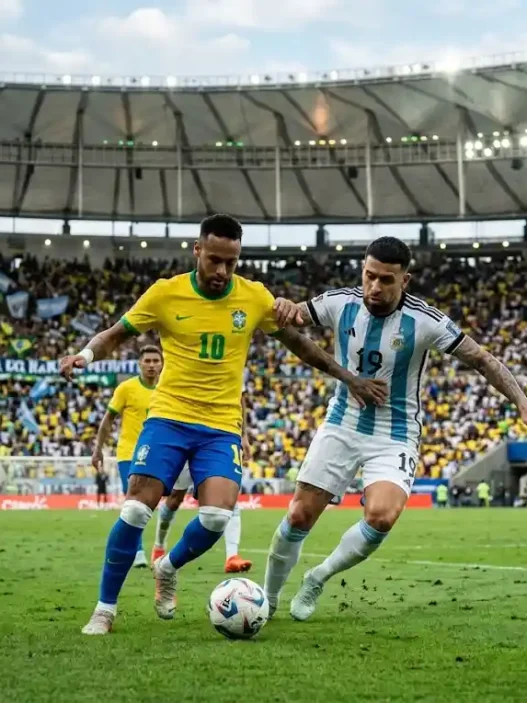






































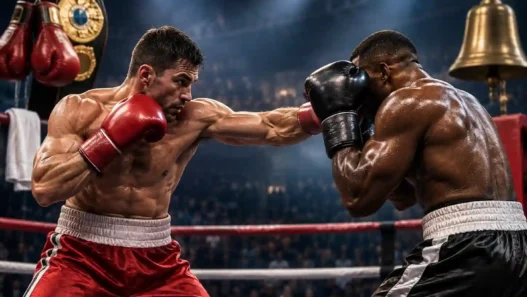






Different boxing styles influence fight outcomes. Style plays an important role in the success of boxing. The following discussion will be based on this.
Role of Style in Success of Boxing
Skill alone does not determine the winner in boxing. Style plays an important role in shaping fight outcomes. Every boxer brings a unique approach to the ring and when contrasting styles clash, the dynamics of the fight can shift dramatically. Understanding the way boxing styles communicate is the key to predicting performance and results.
What Are Boxing Styles?
Boxing styles refer to a fighter’s strategic approach which includes their movement, punch selection, defense and ring control. While many fighters blend techniques, most fall into distinct categories that define their strengths and weaknesses.
Common Boxing Styles and Their Impact
| Boxing Style | Key Characteristics | Strengths | Weaknesses | Outcome Influence |
| Pressure Fighter | Constant forward movement, high aggression | Overwhelms opponents, controls pace | Vulnerable to counterpunching | Can dominate passive fighters |
| Counterpuncher | Defensive, waits for openings | Capitalizes on mistakes, efficient striking | May struggle against relentless pressure | Excels vs aggressive opponents |
| Out-Boxer | Maintains distance, uses footwork and jab | Controls range, minimizes damage | Can be outworked at close range | Wins via points and control |
Why Style MatchUps matter?
The phrase “styles make fights” is widely accepted in boxing because certain styles naturally counter others. For example, a counterpuncher often thrives against an aggressive pressure fighter, using their opponent’s forward momentum to land precise strikes.
Adaptability as The Way to Victory
While having a defined style is important, adaptability often separates elite fighters from the rest. Boxers who can switch tactics mid-fight—adjusting their defense, increasing aggression, or changing tempo are more likely to succeed against diverse opponents. Training camps often focus heavily on preparing for a specific opponent’s style.
Psychological and Tactical Influence
Boxing styles also impact the mental aspect of a fight. A relentless pressure fighter can wear down an opponent psychologically, while a slick counterpuncher can create hesitation and doubt. These mental shifts often lead to mistakes, which can ultimately decide the outcome.
The Bottom Line
In conclusion, it can be said that boxing styles influence fight outcomes. For more updates and information, follow Sportsarcane.