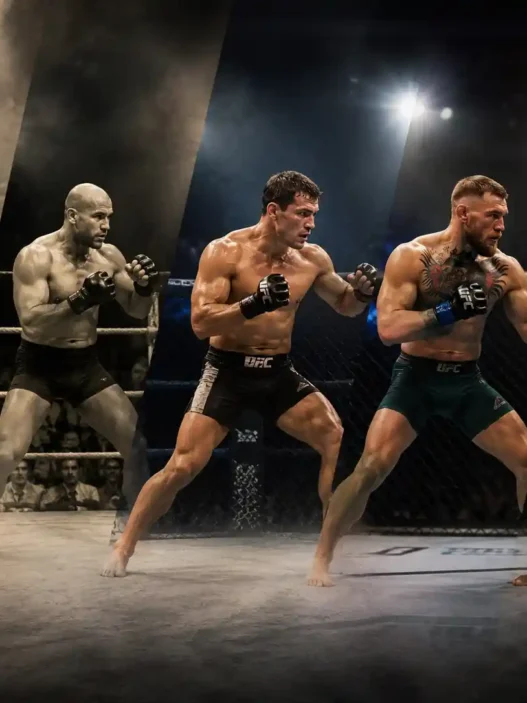

















































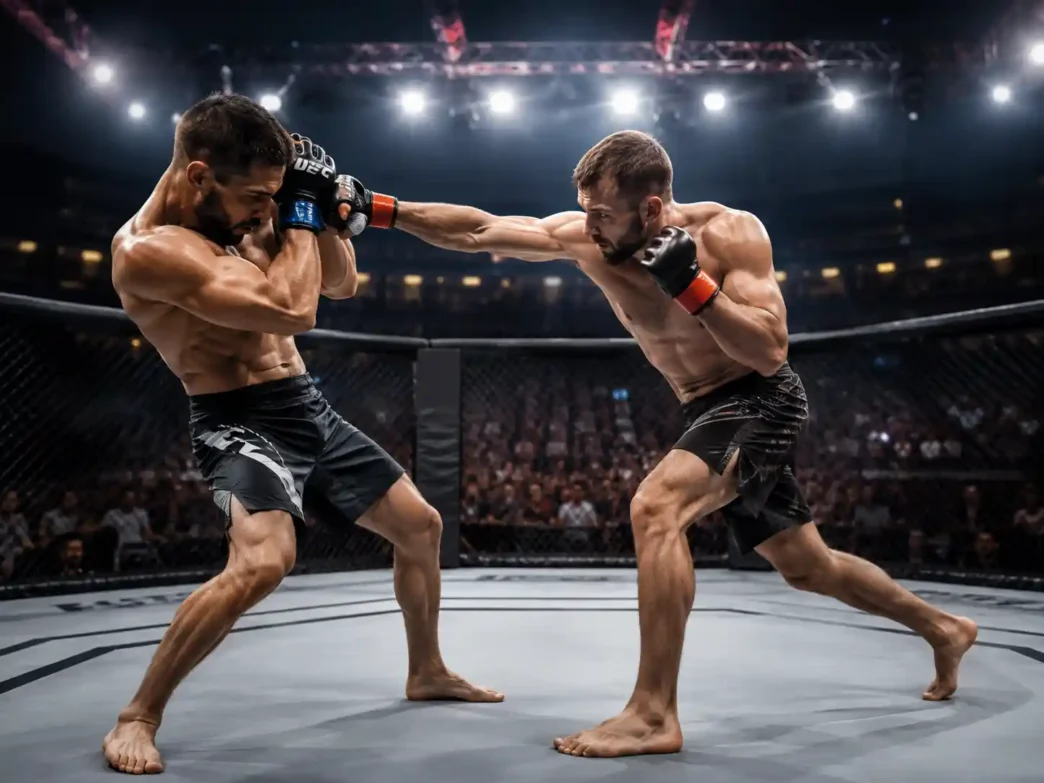
MMA has come from a fringe, largely unregulated spectacle in the 1990s to one of the most tightly regulated and fastest growing sports in the world. Watching any card, be it a UFC PPV or a smaller regional promotion, is way more rewarding if you know how the sport is actually structured, from its rules and weight classes, to the different martial arts disciplines fighters blend together.
In this guide, we’ll cover everything from the basics every MMA fan should know (how a fight is officiated and scored, for example) to the major promotions shaping the current landscape of the sport.
The Basic Rules Governing Modern MMA
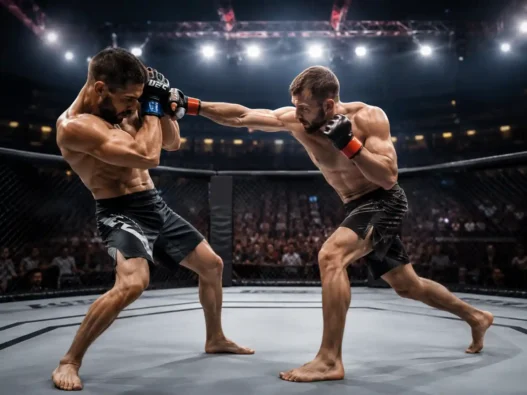
The modern MMA scene in North America is regulated by the Unified Rules of Mixed Martial Arts, a codified rulebook adopted by most state athletic commissions, covering everything from legal strikes to fouls . Striking with fists, elbows, knees and feet is permitted (with some restrictions), both standing up and on the ground. Grappling techniques such as takedowns, submissions and ground control are also permitted.
Some are banned in virtually all regulated promotions . These include groin strikes, eye gouging, manipulation of small joints, and strikes to the back of the head/spine. Fights typically consist of three five-minute rounds, with championship fights and some main events consisting of five rounds. Inside the cage or ring is a referee who makes sure the rules are followed and stops the fight if a fighter cannot intelligently defend himself or herself.
How Fights Are Scored
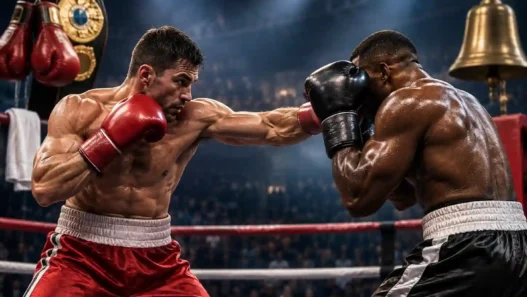
MMA also directly uses boxing’s scoring system. The ten-point must system is used, where the winner of a round is usually awarded ten points and the loser is awarded nine or less points if a fighter was dominated or knocked down. But, unlike in boxing, judges have to consider a much broader range of things simultaneously, like striking accuracy and damage, grappling control and submission attempts, and overall effectiveness in dictating where and how a fight plays out.
This complexity is exactly why MMA judging is more criticized than most other combat sports, as reasonable judges can really disagree on how to rate a fighter who lands cleaner shots compared to a fighter who controls large portions of a round on the ground without generating much visible offense. Judges score fights that are not finished . There are also knockouts , technical knockouts , submissions and sometimes disqualifications that can end a fight .
Weight Classes: How Fighters Are Divided
To ensure that fights are fair, MMA promotions categorize fighters by weight class. The UFC has eight men’s divisions, from flyweight (125 pounds) to heavyweight (265 pounds), and four women’s divisions, from strawweight to bantamweight. Fighters are required to make weight at an official weigh-in, typically the day before an event, and failure to do so can lead to financial penalties or a fight being altered to a catchweight contest.
Weight cutting, a practice that involves dropping water weight in the days leading up to a weigh-in and then replenishing it for the fight itself, has become an integral part of modern MMA preparation, allowing fighters to face opponents who are technically lighter at the fight than they are at the official weigh-in. This practice continues to be a point of safety contention in the sport, as aggressive cuts can sometimes leave fighters dangerously depleted heading into a contest.
The UFC
The Ultimate Fighting Championship is still by far the most recognized and commercially dominant MMA promotion in the world, and it crowns champions in all eight men’s divisions and four women’s divisions, while running events almost weekly throughout the year. This year, the promotion moved its entire slate of events to Paramount+ in a departure from traditional pay-per-view pricing, opting instead for a subscription-access streaming model designed to maximize overall viewership across its busy calendar of events.
But outside of the championship structure, the UFC has developed a massive scouting pipeline in the form of Dana White’s Contender Series and the global Road to UFC tournament, continuously feeding the roster with new talent and enabling the promotion to keep deep, competitive divisions at every weight class.
PFL and Other Major Promotions
The Professional Fighters League has become one of the UFC’s most formidable global competitors, differentiating itself with a unique tournament-based season structure that awards seasonal titles in addition to the usual championship belts. PFL acquired rival promotion Bellator MMA in late 2023 and has been working to merge that roster and championship structure with its own. It’s also expanding internationally through regional leagues such as PFL Europe, PFL MENA and PFL Africa.
ONE Championship has found a similar niche, particularly in the Asian markets, by combining MMA with kickboxing, Muay Thai and submission grappling contests under the same promotional banner. Together, these promotions have helped to create a truly global MMA landscape that extends far beyond the UFC’s dominance, giving fighters more competitive options to choose from and fans a lot more content to follow throughout the year.
The Martial Arts Disciplines Behind MMA
The real difference between mixed martial arts and any of the individual combat sports is this combination of a bunch of disciplines into one set of rules. Brazilian jiu-jitsu is known for controlling an opponent on the ground and applying submission holds, such as chokes and joint locks. Modern MMA grappling is still based on this style. In freestyle and folkstyle wrestling the fighter can take down the opponent and control them from the top . This gives the fighter the option of choosing where they want to fight .
Other disciplines make their own contributions. Boxing gives you the basics of hand speed, head movement and combination striking. Muay Thai adds in devastating clinch work and elbow and knee strikes that the ruleset of boxing does not allow. Judo offers explosive throws and off-balance maneuvers. More and more, fighters are cross-training in all those disciplines simultaneously rather than focusing narrowly on just one, producing the kind of well-rounded, complete skill sets that define the most successful champions today.
How Fighters Develop a Complete Skill Set
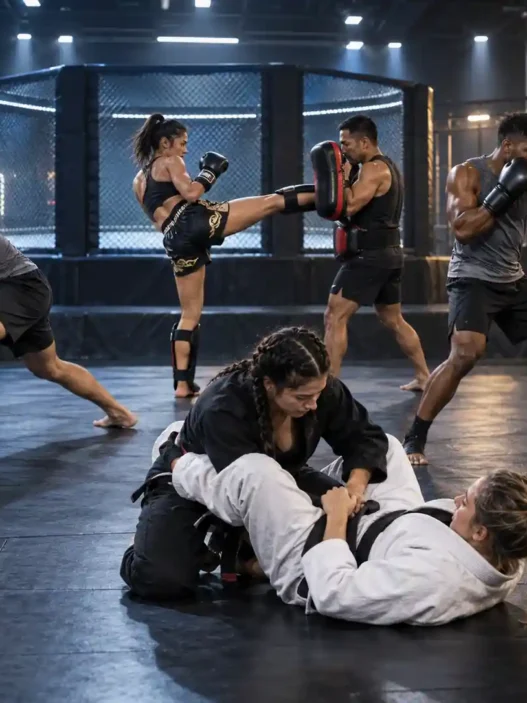
Elite MMA training camps typically have multiple coaches from different disciplines, rather than a single specialist coach covering every phase of the game. You have a wrestling coach for the takedowns and takedown defense, a striking coach who works on the basics of boxing and Muay Thai, a jiu-jitsu coach who is a ground fighting and submission defense expert with a head coach who designs the game plan and strategy.
This multi-disciplinary approach is a testament to how far the sport has come from its early days, when fighters were often heavily specialized in one discipline and relied on that very skill set to overwhelm lesser-rounded opponents. Modern MMA is rewarding fighters more and more that can threaten their opponents in any phase of a fight, whether it’s striking, wrestling, or jiu-jitsu, because any one glaring weakness tends to get exposed pretty quickly against high level competition.