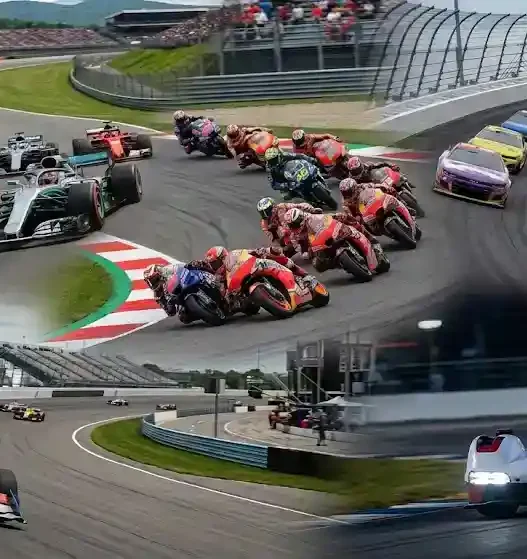





















































NASCAR is one of America’s most popular sports competitions, drawing millions of fans to the race tracks and television sets every season. The high speeds, close racing and dramatic finishes make the sport easy to enjoy, but its format is often more complex for newcomers than other racing series. Unlike most championships that award the title to the driver who scores the most points throughout the season, NASCAR uses stage racing, playoff eliminations and a winner-take-all final race to decide its champion.
You’re watching your first race or trying to get a handle on the NASCAR playoffs. Whatever the case, knowing the basics makes each event even more thrilling. This guide breaks down the essential motorsport rules that govern the NASCAR Cup Series from the layout of a race weekend to the championship race and the variety of racing tracks.
What is NASCAR?
NASCAR ( the National Association for Stock Car Auto Racing ) oversees the top stock car racing events in the United States . Founded in 1948 the organization sanctions several national series . The NASCAR Cup Series is the highest level of competition .
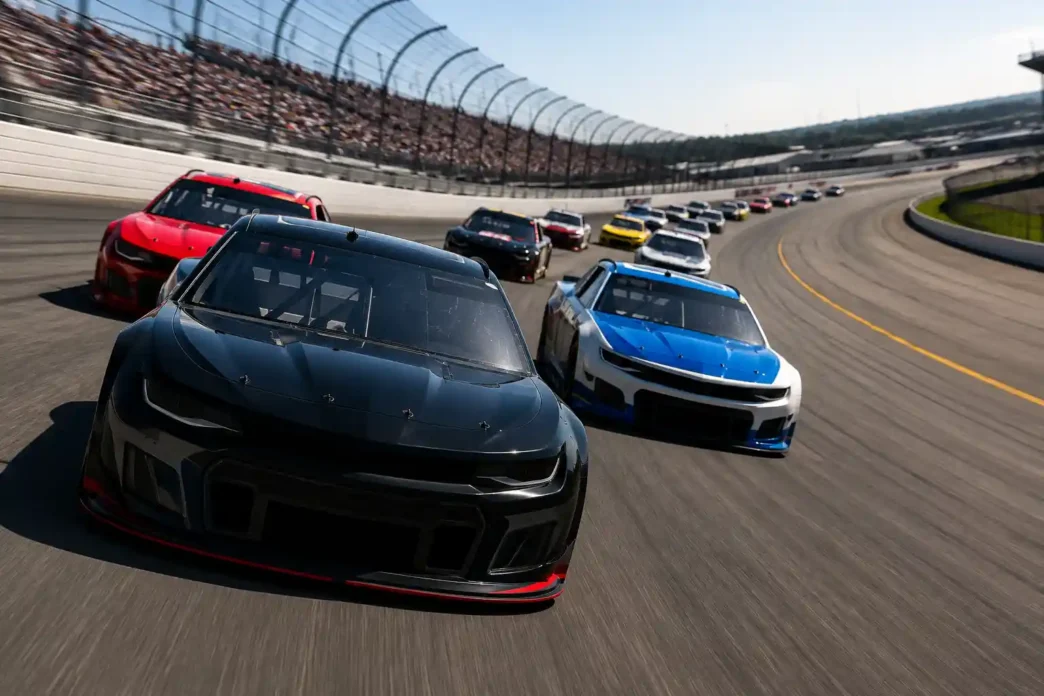
NASCAR vehicles are purpose-built race cars that look like production vehicles but are engineered specifically for speed, safety and close competition, whereas F1 cars have open wheels. Drivers battle for a season that includes some of the most famous race venues in the United States, resulting in one of the longest and most demanding calendars in motorsport.
Understanding a NASCAR race weekend
A schedule dictates every NASCAR race weekend to get the teams ready for each race weekend and ensure fans get multiple days of on-track action.
Practice sessions typically start on the weekend, when teams adjust their cars to the conditions of the track. Engineers adjust the suspension, tire pressures, aerodynamics and handling characteristics to get the most performance out of the car before qualifying.
The qualifying decides who starts where in the race. Qualifying is when the drivers are timed individually or in a certain qualifying format and the driver with the fastest time gets pole position. Getting the lead at the start can give you an advantage, particularly on short tracks where passing is tough.
The main race is on Sunday and often goes for several hundred miles. Strategy, tire wear, fuel use, pit stops and caution periods all factor into the race outcome.
How NASCAR races are divided into stages
One of the biggest differences between NASCAR and many other forms of motorsports is stage racing. Races are divided into various stages, as opposed to just racing to the end. At the end of each stage , drivers get championship points for their position at that time . Then comes a short caution period and the race restarts .
Stage racing rewards consistency throughout an event rather than only the finishing result. Teams must decide whether to maximize stage points or prioritize strategies that improve their chances of winning the race.
This format has added another tactical dimension to modern stock car racing, encouraging aggressive competition throughout every event.
How the NASCAR points system works
Following each NASCAR Cup Series race, drivers earn points depending on their finishing position, stage finishes and race wins. “It’s worth the most points to win a race and it gives drivers a huge advantage in the playoff format. However, while a driver can be a championship contender without many wins just by consistently finishing near the front, race wins do make their position much stronger.
Points matter more in the regular season because they help determine which drivers get in the postseason.
Understanding the NASCAR playoffs
The playoffs, one of the signature features of NASCAR, separate the championship fight from the regular season.
The best drivers then qualify for the playoffs after the regular season . Drivers who win races during the regular season usually lock in playoff positions, if they meet eligibility requirements, with the remaining spots filled based on points standings.
The playoffs have multiple elimination rounds. Drivers with the lowest scores are eliminated after each round, whittling down the championship field until only a handful are left.
With this format, a strong regular season is just not enough to win the championship. As the playoffs move on, drivers are feeling more pressure to keep delivering.
The Championship 4 finale
The NASCAR season ends with the Championship 4. At the final race there are still 4 drivers in contention for the title. The NASCAR Cup Series champion is the highest-finishing driver among those four competitors, not based on a cumulative points system as seen in some other racing series.
The winner-take-all format means that the championship isn’t decided until the final event and provides one of the most dramatic finishes in professional motorsports.
Types of NASCAR racing tracks
One of the reasons why NASCAR is so unpredictable is the variety of tracks on the schedule.
Short Track
Short tracks are less than one mile in length and often feature aggressive racing with frequent overtaking and close contact between competitors.
Medium ovals
Intermediate tracks typically range between one and two miles. These venues emphasize aerodynamic efficiency, tire management, and long-run consistency.
Superspeedway
Superspeedways are among the fastest stock car-racing venues. Long straights and high banking allow cars to run in close formation, where drafting is one of the most important racing techniques.
Road circuit
Unlike oval tracks, road courses have left and right turns. Drivers have to brake hard, shift gears a lot and deal with more technical layouts.
Courses on the street
The last couple of NASCAR seasons have gone to temporary street courses. These courses provide a whole new set of challenges, putting drivers into racing environments they seldom see in traditional stock car racing.
Why pit stops are so important
Pit strategy can absolutely change the outcome of a race. Teams will decide when to change tires, add fuel or make mechanical adjustments based on track conditions and cautions. A flawlessly performed pit stop can gain you a few positions but a tiny error can cost you precious time.
Hundreds of times during the season, pit stops are practiced, because fractions of a second can often mean the difference between victory and defeat.
Key motorsport rules every new fan should know
If you know a couple of basic motorsport rules, you’ll find NASCAR easier to understand. Drivers have to adhere to strict technical regulations on engines, aerodynamics, weight and safety standards. Officials also monitor driving behavior, pit lane speed and restart procedures and race conduct to ensure fair competition.
Yellow flag cautions slow the field temporarily after incidents or debris on the circuit. Racing resumes under green flag conditions when it is safe to do so. If needed, races can go longer than their scheduled distance under NASCAR’s overtime procedure to avoid finishing under caution when possible.
Why NASCAR is different from other racing series
While NASCAR shares much with Formula 1 and IndyCar, its emphasis on close racing, multiple track types, stage racing and elimination playoffs create a unique championship.
Cars often run side by side for long stretches, and races can feature dozens of lead changes. Add in the pit strategy and the pressure of the playoffs and you have a championship where momentum can swing wildly from weekend to weekend.
Why NASCAR continues to grow
NASCAR has found a way to balance the old with the new. New venues, improved safety technology, younger drivers and broader digital coverage have introduced the sport to new audiences, but have maintained the competitive style longtime fans love. The combination of speed, strategy, and championship drama makes every race potentially a big one in the title fight.